Trump Targets DEI Pages at the EPA
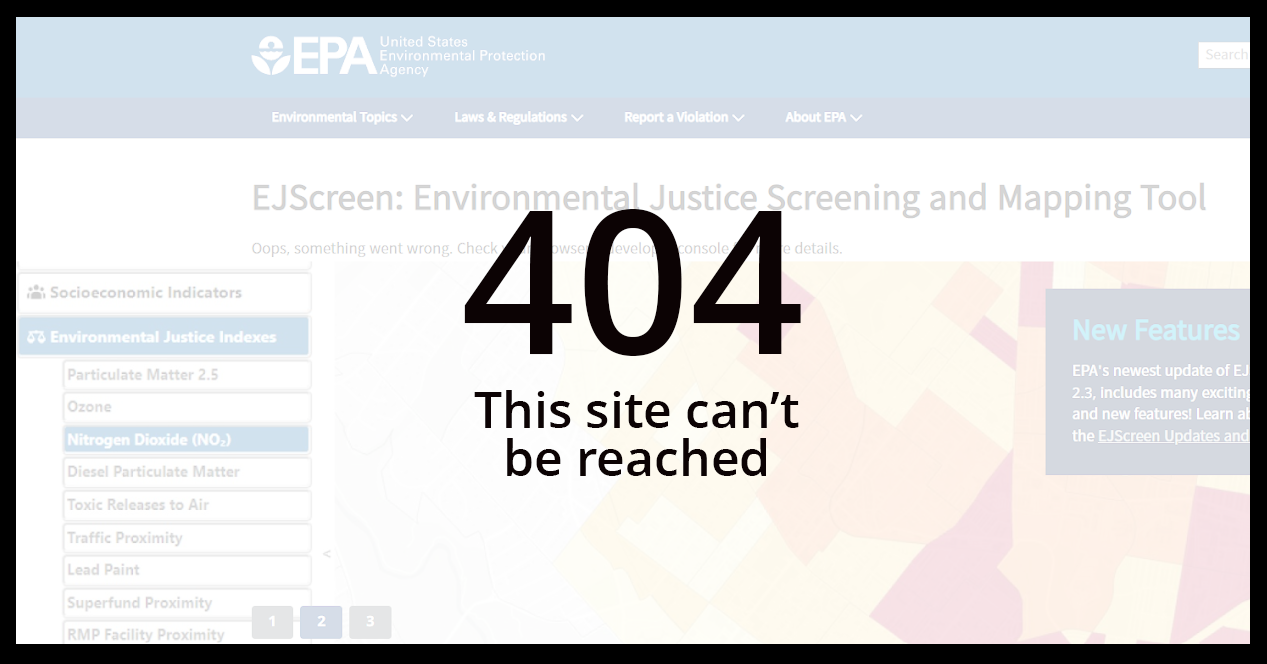
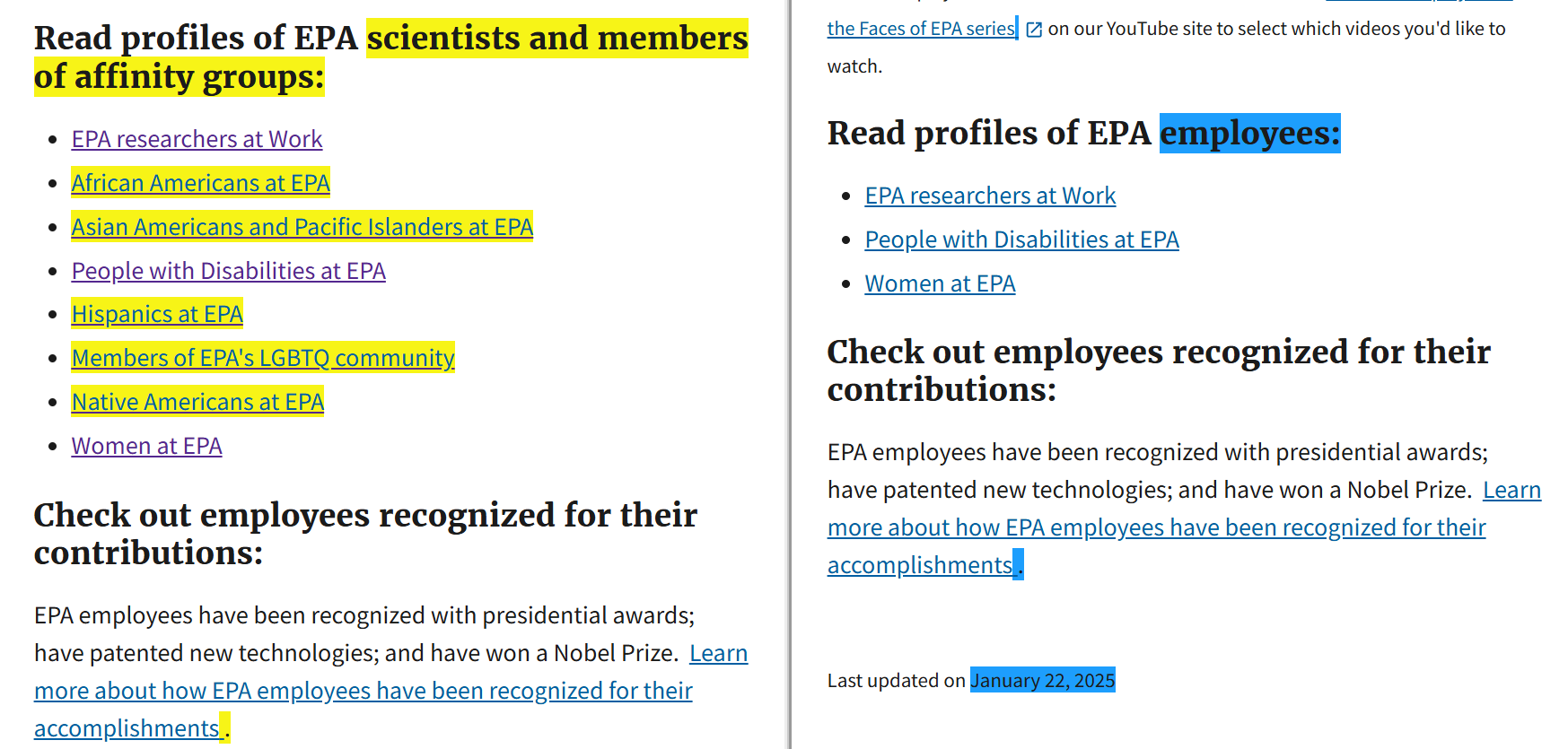
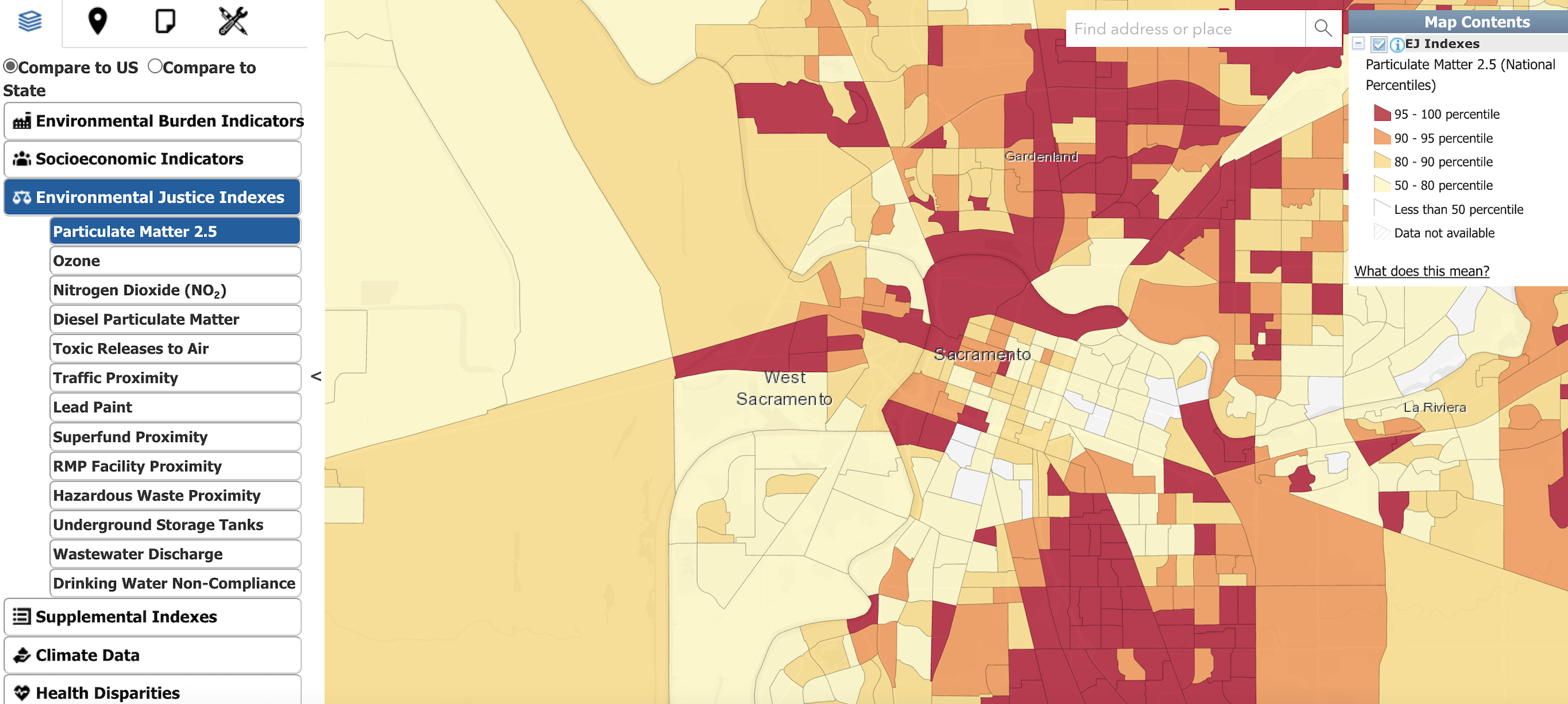
In the first couple of days of the second Trump administration, the EPA removed several web pages related to diversity, equity, and inclusion (DEI) efforts at the EPA.
Governments worldwide collect and distribute data relevant to environmental challenges. For instance, the United States (US) federal government collects satellite imagery, climatological and weather records, and measurements of ambient chemical concentrations. Researchers routinely draw on these data to develop predictive models of conditions and potential interventions, while other groups leverage these data to advocate around specific issues that matter to them, like climate change.
In anticipation of a second and likely more significant assault on federal environmental information by the Trump administration, the Environmental Data and Governance Initiative (EDGI) is ramping up its website monitoring work, coordinating a broad multi-organizational data preservation effort, and expanding its civic data science tools for accessing federal environmental data. EDGI is also supporting the End of Term Archive as it works to build the largest archive of federal web-based data and information ever created.
President Donald J. Trump tours the Pratt Industries plant with Pratt Industries Executive Chairman Anthony Pratt Sunday, Sept. 22, 2019, in Wapakoneta, Ohio. Photo by Shealah Craighead Eric Nost, University of Guelph Environmental issues were conspicuously absent from the 2024 U.S. presidential campaign, but moves by President-elect Donald Trump’s first administration and his leadership picks … Read more
EDGI’s Environmental Historians Action Collaborative working group annotated select chapters and sections of Project 2025 related to the environment, providing important context and fact-checking for the public: Project 2025 proposes to severely reduce the federal role in environmental protections of all sorts. Its arguments for doing so operate through its failure throughout to acknowledge or even to name … Read more
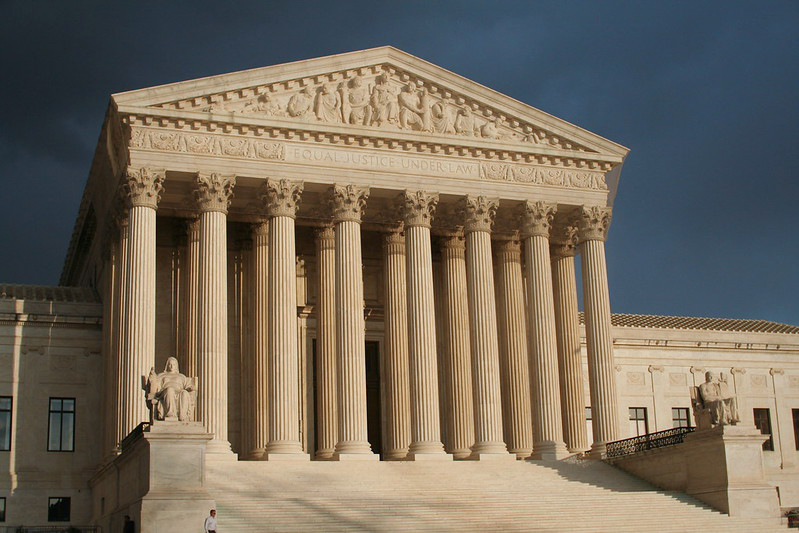
Environmental governance is at a pivotal moment. With the shifting legal landscape over the last eight years, including the spate of Supreme Court (SCOTUS) rulings earlier this summer, environmental protections are being undermined from multiple angles. The future of environmental regulations and the regulatory state are perhaps more vulnerable than at any other time in recent history.
The National Nuclear Security Administration (NNSA) held a Surplus Plutonium Disposition Public Comment Meeting on September 4, 2012 at the North Augusta, SC Municipal Building. By Gretchen Gehrke and Alejandro Paz A spate of US Supreme Court (SCOTUS) rulings decided this summer will have dramatic and damaging effects on how federal agencies issue and enforce … Read more
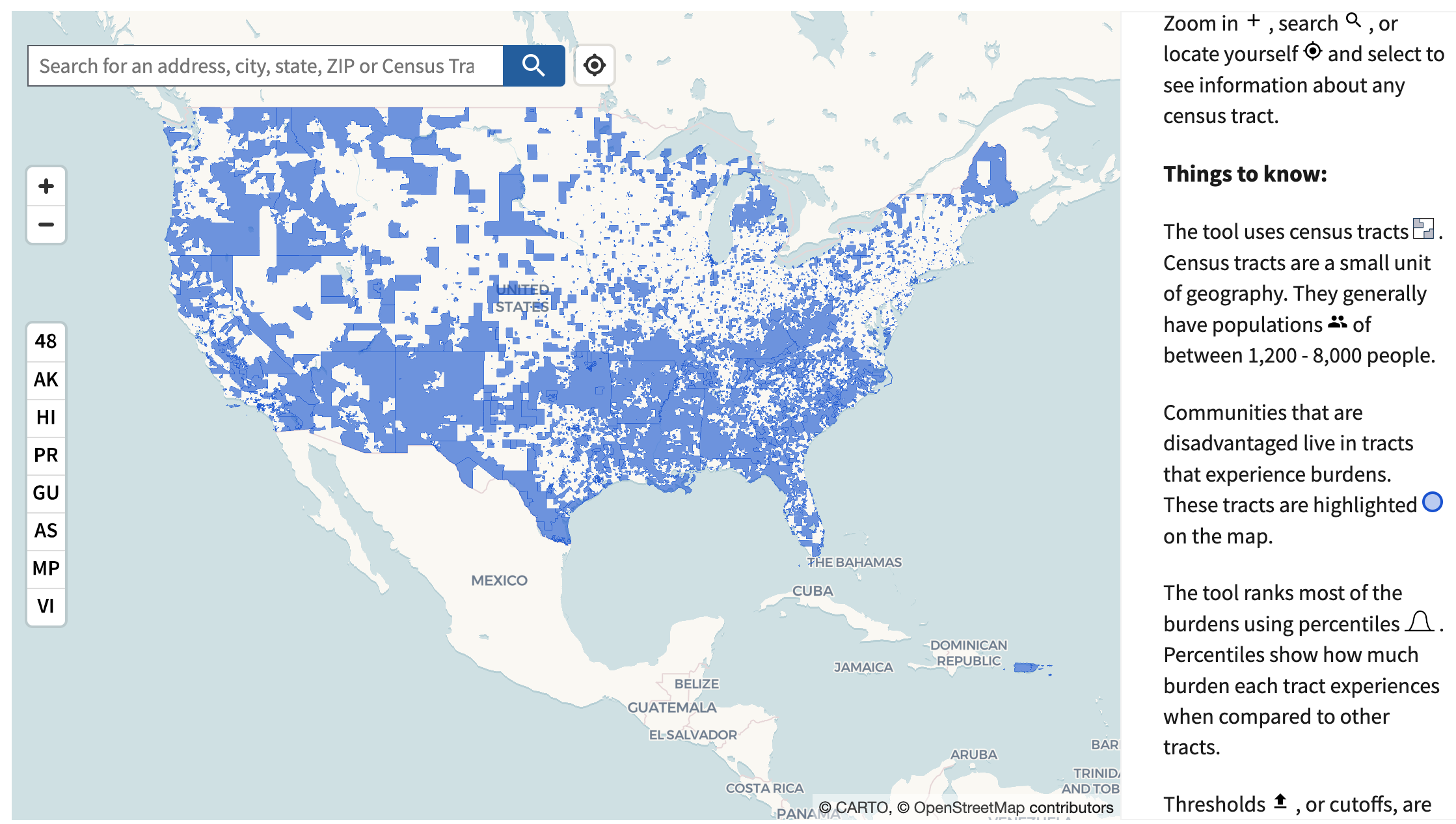
EDGI’s Environmental Enforcement Watch (EEW) team hosted ‘Building Civic Technologies for Environmental Data Justice,’ a five-part workshop series that explored the tools they’re building for contextualizing hard-to-access EPA data. The tools focus on analyzing cumulative impacts, mapping schools near hazardous air pollutants, and summarizing enforcement of and compliance with laws like the Clean Air Act … Read more
Today EDGI launched our Public Comments Initiative, a project that aims to help people and organizations understand and more effectively engage in the public commenting process when new rules are proposed by federal agencies. While federal agencies do take seriously the role of public comments in the regulatory process (e.g. GAO, 2020), public commenting remains … Read more
This comment stresses that the federal government should strive to increase the tangible impact of public participation in federal decision-making. To do this, EDGI recommends OMB design public participation processes that have the appropriate timing and depth to meaningfully influence government actions, and to develop standards for information management to ensure the public can easily learn about issues and opportunities for input.