EDGI’s Comment on the Proposed Redefinition of “Waters of the United States”

EDGI opposes the proposed redefinition of “Waters of the United States” on the basis that 1. the
proposed rule lacks consideration of relevant impacts of climate change, and 2. the agencies
have removed and restricted access to crucial web resources relevant to the proposed rule
before and during its public comment period. The proposed interpretation of jurisdictional waters
disregards basic principles of hydrology and established science regarding the impacts of
climate change on the hydrologic cycle.
EDGI’s Comment to the EPA on the Proposed Reconsideration of the Greenhouse Gas Reporting Program

Since its inception in 2009, the Greenhouse Gas Reporting Program (GHGRP) has provided
the Environmental Protection Agency (EPA) and other agencies, industry, and stakeholders
with valuable, standardized data on direct greenhouse gas (GHG) emissions from facilities
and indirect emissions from fuel suppliers. The GHGRP has produced the most robust
national dataset of GHG emissions that exists, which has been essential for developing an
understanding of GHG sources and sinks and their influence on climate change. The EPA’s
proposed amendments to the GHGRP would remove all GHG reporting requirements for
46 of the 47 reporting industries, and would postpone the remaining reporting
requirements until 2034.

EDGI’s Comment to the EPA on the Reconsideration of the Endangerment Finding and Greenhouse Gas Vehicle Standards

EDGI opposes the proposal to rescind the Environmental Protection Agency’s (EPA)
Endangerment Finding under Section 202(a) of the Clean Air Act. EDGI analyzes changes to
environmental governance policies and practices, including the federal provision of public
information, and our findings demonstrate that the EPA has restricted public access to
critical information underpinning the Endangerment Finding.

EDGI’s Comment to the EPA on the Proposed High-Priority Substance Designations under the Toxic Substances Control Act (TSCA); Vinyl Chloride

We support EPA’s determination to reopen vinyl chloride’s risk prioritization. We encourage the
EPA to go further. The historical evidence shows that the industry has pushed against the
known evidence of harm to communities, workers, and the U.S. public as vinyl chloride
(especially given the replacement of lead piping in the U.S. over the next ten years, likely by
plastic alternatives) enters every waste stream, water stream, and backyard, as “vinyl chloride
can migrate to groundwater and can be in groundwater due to the breakdown of other
chemicals.

Advancing Public Participation and Community Engagement with the Federal Government

Advancing Public Participation and Community Engagement with the Federal Government

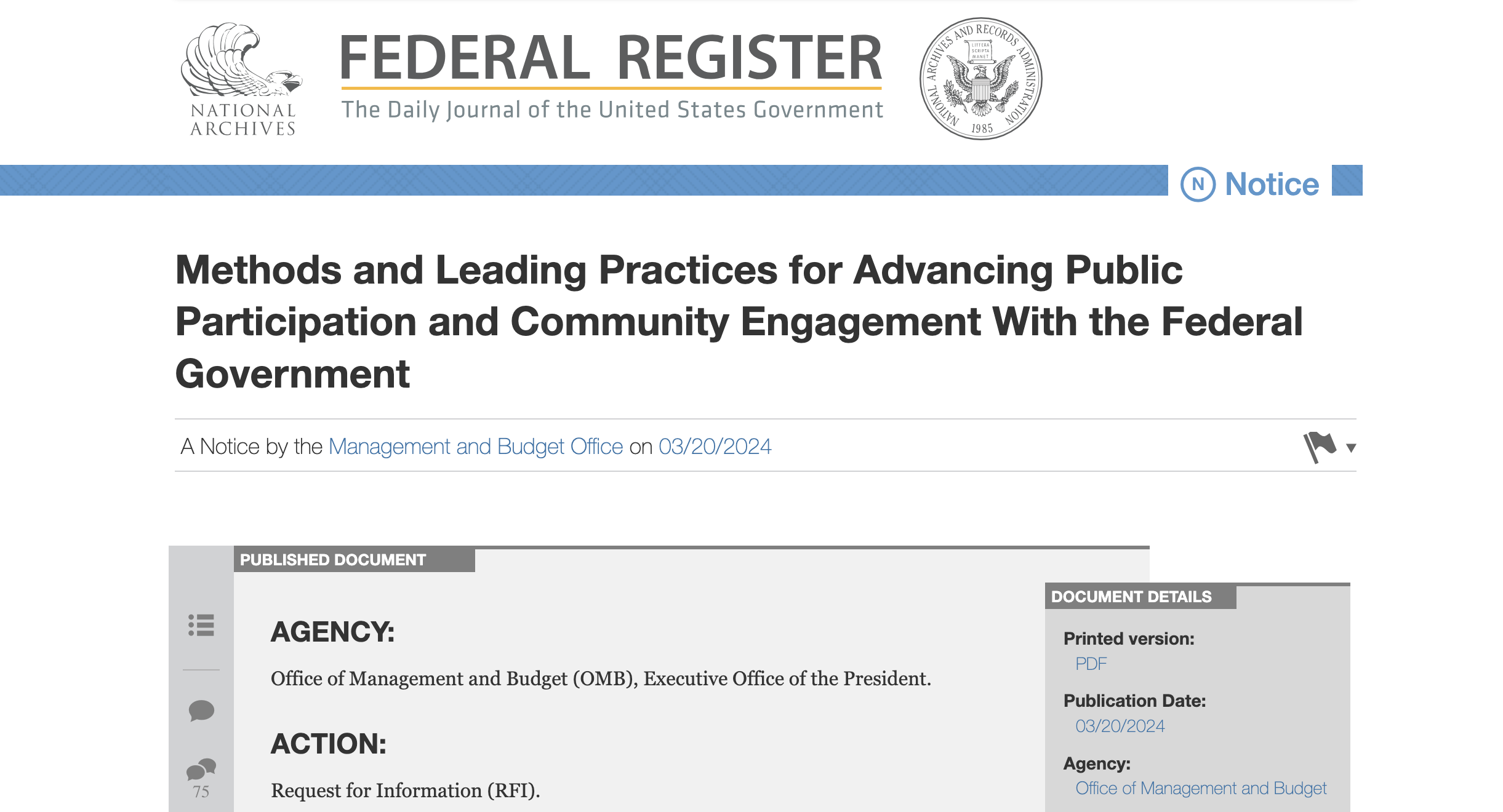
This comment stresses that the federal government should strive to increase the tangible impact of public participation in federal decision-making. To do this, EDGI recommends OMB design public participation processes that have the appropriate timing and depth to meaningfully influence government actions, and to develop standards for information management to ensure the public can easily learn about issues and opportunities for input.

Clean Power Plan Proposed Repeal

EDGI’s comments on this proceeding focus on removals of online Clean Power Plan
(CPP) resources, removals that constrain the public’s ability to effectively participate
in the rulemaking process. Reduced access to related resources, especially the
EPA’s climate change websites, also constrains the ability of stakeholders and
regulated entities to stay abreast of implementation feasibility and responsibilities
under the CPP. Finally, access to these resources should continue to be a priority
for effective public participation in relation to the EPA’s ongoing responsibilities for
regulating greenhouse gases

EDGI Comments to the FOIA Advisory Committee regarding decomissioning FOIAonline

This comment and a related oral comment were delivered to the FOIA Advisory Committee. The comment urges the FOIA Advisory Committee to guide agencies to preserve key features of FOIAonline as agencies launch independent FOIA portals, particularly: (1) the public posting of completed requests, (2) the ability to search for completed requests, including across multiple agencies, and (3) the preservation of public access to the records that have already been made public through FOIAonline.